
“Heard, Not Helped”: Our Meeting with Virginia’s Governor-Elect on Prison Abuse
By: UPROAR Admin · November 29, 2025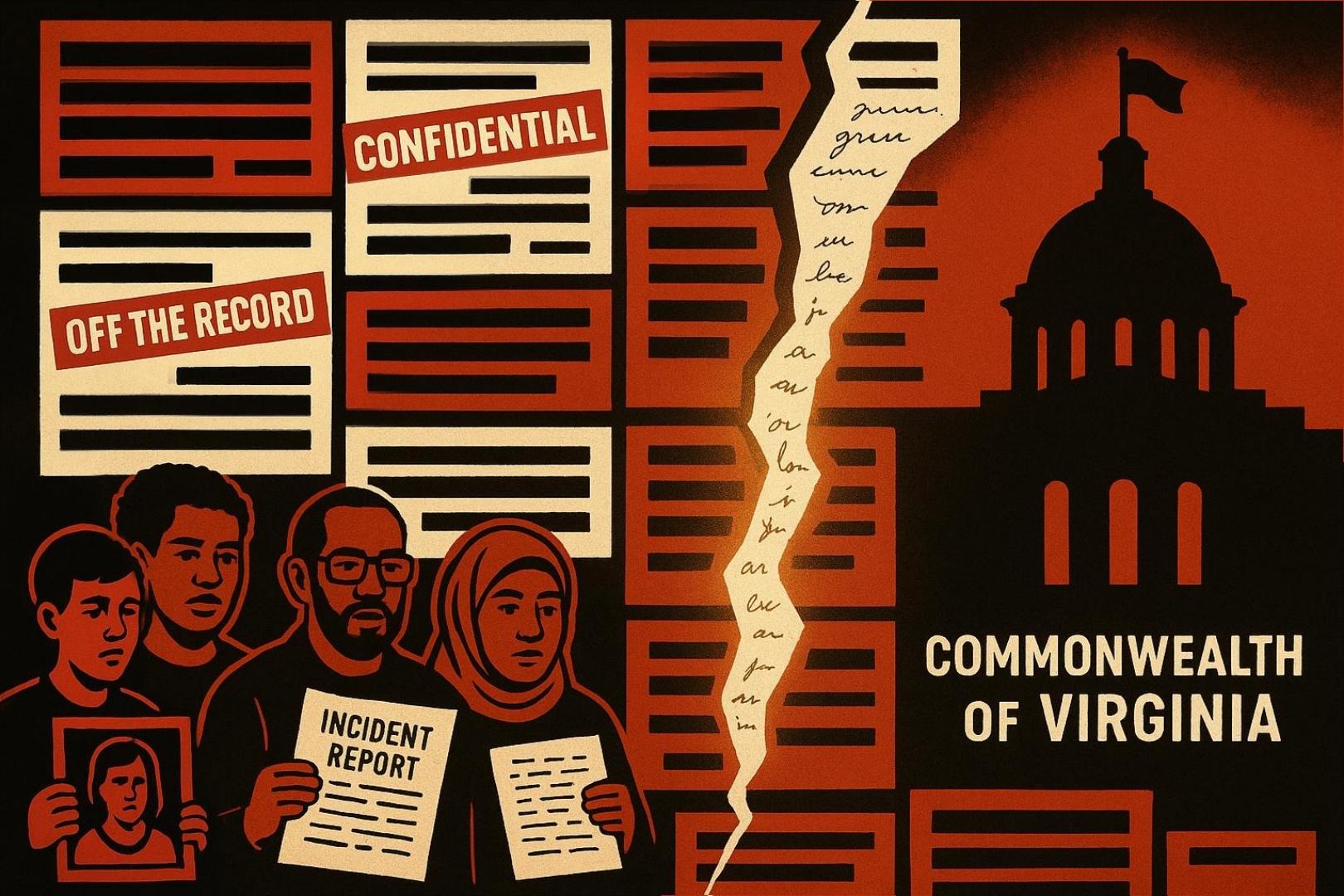
Key Points
- On October 31, 2025, a coalition of formerly incarcerated people, grieving families, and parole & prison reform advocates met privately with Abigail Spanberger’s gubernatorial campaign, now the governor-elect’s team.
- People described parole as functionally dead, conditions they experience as torture, and deaths in custody with no meaningful investigation.
- The campaign staffer offered empathy but no concrete commitments on parole, VADOC leadership, or independent oversight.
- This is why UPROAR focuses on organized pressure from prisoners’ loved ones and survivors, not on access to “listening sessions.”
Who Was in the Room
On our side were people who live this system every day:
- Formerly incarcerated people from Wallens Ridge, Red Onion, and other Virginia prisons.
- Parole advocates working daily with people denied year after year.
- Family of people who died in custody, including the mother and aunt of Aubrey McKay, who died at Wallens Ridge 30 days before his scheduled release.
- Mental health and legal advocates, many with loved ones still inside.
- Prisoner- and loved-ones-led groups, including UPROAR and Prisoners’ Rights Clinic.
The campaign called it a “listening session” and asked that it be off the record. We are honoring that by not quoting staff directly and by being clear that this is our recollection and interpretation, not a transcript.
What We Raised
Before getting into specific issues, one outside organizer connected this meeting to past and ongoing crises in Virginia’s prisons:
“I do want to recognize the Eshiet family. Ekong Eshiet set himself on fire and was in the middle of that situation of international scrutiny in the Virginia mountains… CO brutality is top of the list for us as well. This is something that we hope that your administration will address on day one.”
That set the tone: this wasn’t an abstract policy chat. It was a demand that the new administration confront long-running, widely documented brutality in Virginia’s prisons.
1. Parole Is Functionally Dead
One parole advocate described people with 30+ years in, clean records, and extensive transformation being denied on repeat with the same boilerplate:
“Day in and day out, I assist individuals that are coming up for parole… we are getting no’s repetitively, consistently, with the same rubber stamp… People are getting denied that have been in prison for 35 years with no infractions… These people are dying.”
With the election four days away, they asked for a clear stance:
“I really wanted to hear more of a definitive where she stands… it’s only four days left.”
Our summary of the response:
The staffer said the Governor’s Office has more direct impact on the justice system, that they’re hearing concerns about
the Parole Board, and that her role was to listen and take notes.
We did not receive a definitive position on changing parole policy or the near-zero grant rate.
2. Death in Custody & Conditions Described as Torture
One mother, speaking about her son Aubrey McKay, said:
“I miss my son, and I don’t understand why my son had to be murdered by the hands of ones who are supposed to serve and protect… I’m suffering cancer, I’m suffering lupus, and I have to do it all alone now because my son is not coming home to sit through these chemos with me.”
Her sister, Aubrey’s aunt, described how he was returned:
“They sent my sister a wet t-shirt, one slipper, and a pair of boxers that wasn’t his property… That’s heartbreaking… Families are hurting… We gotta keep on applying pressure, because that’s what it seems like it’s gonna take.”
A formerly incarcerated speaker who spent six years at Wallens Ridge said:
“I was more afraid up there to lose my life than anywhere else… not by convicts or inmates, but at the hands of them officers.”
“It’s like an episode from the movie Roots up there… I’ve been shocked by electric shields, chained down to the bed naked for days, had dogs sicced on me… I’ve seen these people take life up there and not be held accountable.”
On parole, they added:
“I got turned down for parole 17 times… You mean to tell me the whole world can change in 30 or 40 years, but people can’t? That’s insane… People are dying, their families are suffering… If they want our support, support us.”
Over and over, people described being treated as less than human, and prison practices they experience as torture and deliberate neglect.
Our summary of the response:
From our notes:
- The staffer expressed sorrow to Aubrey’s mother, said she couldn’t imagine what the family was going through, and thanked them for their strength.
- She later said her “takeaways” included the need for a fairer Parole Board and more transparency at VADOC, and invited follow-up by email.
- She showed interest in reentry and literacy programs like Resilience Edge.
We did not hear concrete commitments to:
- Investigate Aubrey’s death,
- Confront violence at Wallens Ridge and Red Onion, or
- Change who runs VADOC.
3. Leadership, Nepotism, and Mental Health
One advocate spoke directly about VADOC leadership:
“We need a new DOC director. That’s the emergent thing, as well as fixing parole. He’s related to all the people he’s supervising, and he’s enabling nepotism and abuse.”
A mental health advocate, writing to and about many men inside, said:
“I write about 17 men, including my son, but the biggest issue is mental health… Most of the men are not getting the type of mental health that they need… There is not enough mental health treatment.”
Advocates alleged that family networks and close relationships inside VADOC create nepotism and impunity, and that lack of real mental health care is deepening trauma rather than healing it.
Our summary of the response:
As time ran out, the staffer thanked everyone again and ended the call. We did not hear any specific response to the demand for new DOC leadership.
What the Meeting Made Clear
From our side:
- A parole system with a grant rate under 1% is effectively life-without-parole.
- Families and survivors described Virginia prisons as sites of torture-like practices, medical neglect, and death, followed by dehumanizing treatment of loved ones.
- The Governor directly controls the Parole Board and VADOC leadership and cannot claim neutrality.
From the governor-elect’s team, our takeaway:
- We were listened to and thanked.
- We did not receive concrete commitments on:
- Changing parole policy or grant rates,
- Replacing VADOC leadership, or
- Supporting independent oversight with real access and enforcement.
Empathy was offered; commitments were not.
Fear, Information Control, and Why We’re Publishing
Even writing this, we asked each other:
What can we safely share from a meeting we organized, about abuses we’ve been documenting for years?
That hesitation is part of how the Commonwealth and VADOC maintain power:
- They control the records and what counts as “official.”
- They invoke “confidentiality,” “security,” and “off the record” on their own terms.
- Families and advocates end up doubting whether they’re “allowed” to describe their own words.
The fight over parole, deaths in custody, and prison conditions is also a fight over who gets to tell the truth
in public.
Publishing this report is one small refusal of that information-dominance.
Why Organizing Is Not Optional
Being heard in a private Zoom is not the same as having power.
We brought mothers, aunts, survivors, and long-time advocates into a room with the governor-elect’s team. We got sympathy and note-taking. We did not get structural commitments.
That gap is exactly why UPROAR exists.
Our loved ones inside have said it for years: as long as we act alone—one complaint here, one meeting there—officials can absorb our pain without changing course. Only organization turns grief and outrage into something they have to account for.
When we say organizing here, we mean the kind of work UPROAR was created for:
- Bringing prisoners’ loved ones together into a real pressure and support network so no one is left isolated, powerless, or guessing what to do when abuse happens.
- Uniting mothers, families, and community members into a “union of prisoners’ loved ones” big enough to hit officials where they actually feel it: their public image, their careers, and their ability to operate without scrutiny.
- Building structures that can coordinate work—inside and outside people who can reach other loved ones, support each other in addressing abuses, and develop strategies of protest, exposure, and resistance instead of pleading with the system one by one.
This meeting is one front in that work. It shows we cannot rely on access to officials; we have to build our own collective strength as prisoners’ loved ones, survivors, and comrades on the outside.
“Power is the ability to define phenomena and make it act in a desired manner.”
— Huey P. Newton
Right now, the Commonwealth and its DOC define the “problem,” the acceptable level of suffering, and the pace of “reform.” Organizing is how we begin to redefine the crisis on our own terms and become a force they must respond to, not just listen to.
We aren’t sharing this to vent about one call. We’re sharing it because it confirms what our loved ones have been saying all along: nothing changes for us without organizing.
If you are a family member, friend, survivor, or someone who refuses to look away, we’re not asking you to “wait and see” what this administration does. We’re asking you to help build the organized pressure that can make any administration act.
Take Action with UPROAR
If your loved one is facing abuse inside
If you have a family member or friend in a Virginia prison who is facing abuse, neglect, retaliation, or other harm, please let us know so we can document it and connect you with support.
👉 Submit an incident report:
Grievance and Incident Report Form
If you or someone you know is a potential whistleblower
We also need information from people who see abuse from the “other side of the wall” — DOC employees and contractors, medical staff, and hospital workers who treat incarcerated patients.
Think about who in your network might be in that position and could safely, anonymously share what they know.
🕵️ Share or use our VADOC Whistleblower Form:
https://bit.ly/vadoc-whistleblower
Stay Connected with UPROAR
📬 Join our email updates list:
https://lists.mayfirst.org/mailman/listinfo/uproar-updates
✊ Sign up to get involved with UPROAR:
https://bit.ly/join-uproar
Upcoming Events
-
📢 Rally at VADOC on December 18
RSVP: https://bit.ly/uproar-december-rally -
🎬 December 6 Film Screening
Event info & RSVP: https://www.facebook.com/share/1BzvTe7E7G/ -
📚 Constructive Criticism Study Group
Sign up: https://bit.ly/uproar-constructive-crit
Follow & Share
Help us break the information wall by sharing stories, campaigns, and updates.
- 📷 Instagram: @uproaragainstrepression
- 📘 Facebook: UPROAR on Facebook